


Condition We Treat Details

Neck Pain & Shoulder Tension
Neck pain is one of the most common reasons people seek acupuncture, especially when tension is linked to posture, stress, or repetitive strain.
How acupuncture may help:
-
Reduces muscle guarding and tension
-
Improves local circulation
-
Calms pain signaling through the nervous system
-
Addresses stress-related holding patterns
Acupuncture is often helpful when neck pain:
-
Keeps returning
-
Is linked to headaches or jaw tension
-
Improves temporarily with massage but doesn’t last

Back Pain (Upper & Lower)
Back pain can involve muscles, joints, nerves, and stress-related tension. Acupuncture approaches pain through both local treatment and nervous system regulation.
Acupuncture may help with:
-
Acute flare-ups
-
Chronic lower back pain
-
Muscle tightness and stiffness
-
Pain aggravated by stress or fatigue
Treatment plans are based on how long the pain has been present and how your body responds.

Stress, Anxiety & Nervous System Regulation
Stress often shows up physically — tight shoulders, headaches, digestive issues, poor sleep, or ongoing fatigue.
Acupuncture is commonly used to support:
-
Stress reduction
-
Anxiety symptoms
-
Nervous system balance
-
Physical tension caused by chronic stress
Many patients report feeling calmer, more grounded, and better able to cope after treatment.

Sleep Problems & Insomnia
Sleep issues are frequently linked to stress, pain, or nervous system overactivity.
Acupuncture may help by:
-
Reducing physical tension
-
Calming the nervous system
-
Supporting more consistent sleep patterns
Some people notice changes within a few sessions, while others improve gradually over time.
When Acupuncture Is a Good Fit:
Acupuncture may be a good option if:
-
Your symptoms keep returning
-
Stress clearly affects your body
-
Massage helps temporarily but doesn’t last
-
You want a calm, non-invasive approach
If acupuncture is not appropriate, you will be told honestly.

Headaches & Migraines
Acupuncture is often used for tension-type headaches and migraines, particularly when triggers include stress, posture, or muscle tension.
Treatment may focus on:
-
Neck and shoulder tension
-
Jaw involvement
-
Nervous system sensitivity
-
Frequency and intensity of headaches
When Acupuncture Is a Good Fit:
Acupuncture may be a good option if:
-
Your symptoms keep returning
-
Stress clearly affects your body
-
Massage helps temporarily but doesn’t last
-
You want a calm, non-invasive approach
If acupuncture is not appropriate, you will be told honestly.
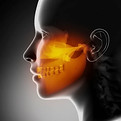
Jaw Pain & TMJ Dysfunction
Jaw tension is commonly connected to stress, clenching, posture, and neck tension.
Acupuncture may help:
-
Reduce muscle tightness in the jaw and face
-
Improve jaw mobility
-
Decrease headache and neck pain associated with TMJ
This is often combined with neck and upper body treatment.
When Acupuncture Is a Good Fit:
Acupuncture may be a good option if:
-
Your symptoms keep returning
-
Stress clearly affects your body
-
Massage helps temporarily but doesn’t last
-
You want a calm, non-invasive approach
If acupuncture is not appropriate, you will be told honestly.

Depression (Supportive Care)
Acupuncture can be used as supportive care for depression alongside other treatments.
Patients often seek acupuncture to help with:
-
Low energy
-
Sleep disruption
-
Stress and tension
-
Physical symptoms associated with depression
Care is always collaborative and respectful of existing medical treatment.
When Acupuncture Is a Good Fit:
Acupuncture may be a good option if:
-
Your symptoms keep returning
-
Stress clearly affects your body
-
Massage helps temporarily but doesn’t last
-
You want a calm, non-invasive approach
If acupuncture is not appropriate, you will be told honestly.

Menstrual Cycle Concerns
Many women seek acupuncture for symptoms related to their menstrual cycle, including:
-
Painful periods (cramping)
-
Irregular cycles
-
PMS symptoms such as bloating, headaches, or mood changes
-
Fatigue before or during menstruation
How acupuncture may help:
-
Reduces pelvic and lower back tension
-
Supports nervous system balance
-
May ease stress-related symptom intensity
-
Encourages more predictable cycle patterns over time

Hormonal Changes & Balance (Supportive)
Hormonal shifts can occur due to stress, life changes, aging, or health conditions. Acupuncture is often used to support the body during periods of imbalance.
Common concerns include:
-
Mood changes
-
Fatigue
-
Sleep disruption
-
Stress sensitivity
Care is individualized and focused on symptom support rather than hormone replacement.

Perimenopause & Menopause Support
Perimenopause and menopause can bring a range of physical and emotional symptoms that vary widely between individuals.
Acupuncture is often used to help manage:
-
Hot flashes
-
Night sweats
-
Sleep disturbances
-
Mood fluctuations
-
Joint or muscle discomfort
-
Increased stress or anxiety
Many patients seek acupuncture as a non-invasive, supportive option during this transition.
When Acupuncture May Be a Good Fit
Women often consider acupuncture when:
-
Symptoms persist despite lifestyle changes
-
Stress clearly worsens physical symptoms
-
They want a supportive, non-medication approach
-
They are looking for whole-body support during hormonal transitions

Stress & Women’s Health
Stress plays a significant role in many women’s health concerns, including cycle irregularity, pain, sleep issues, and hormonal symptoms.
Acupuncture treatments often focus on:
-
Calming the nervous system
-
Reducing muscle tension
-
Supporting better sleep
-
Improving overall stress resilience
When Acupuncture May Be a Good Fit
Women often consider acupuncture when:
-
Symptoms persist despite lifestyle changes
-
Stress clearly worsens physical symptoms
-
They want a supportive, non-medication approach
-
They are looking for whole-body support during hormonal transitions

What Acupuncture Can and Cannot Do
Acupuncture:
✔ May reduce symptom intensity
✔ May improve quality of life
✔ Can be safely combined with medical care
Acupuncture does not:
✘ Replace medical diagnosis or hormone therapy
✘ Provide instant or guaranteed results
Honest expectations are always discussed.

Address
Bowness, Calgary: 6108 Bowness RD, Suite 4 & 5, Calgary T3B 0E1
Cochrane: 100 Grand BLV, Room 3 Cochrane T4C 0S4 (located 2nd floor, inside Axiom Plus Osteopathy)
Phone
TEXT/CALL: 587-645-4497


